Fresh Bread and Bold Flavor at a Cuban Bakery in Aurora CO
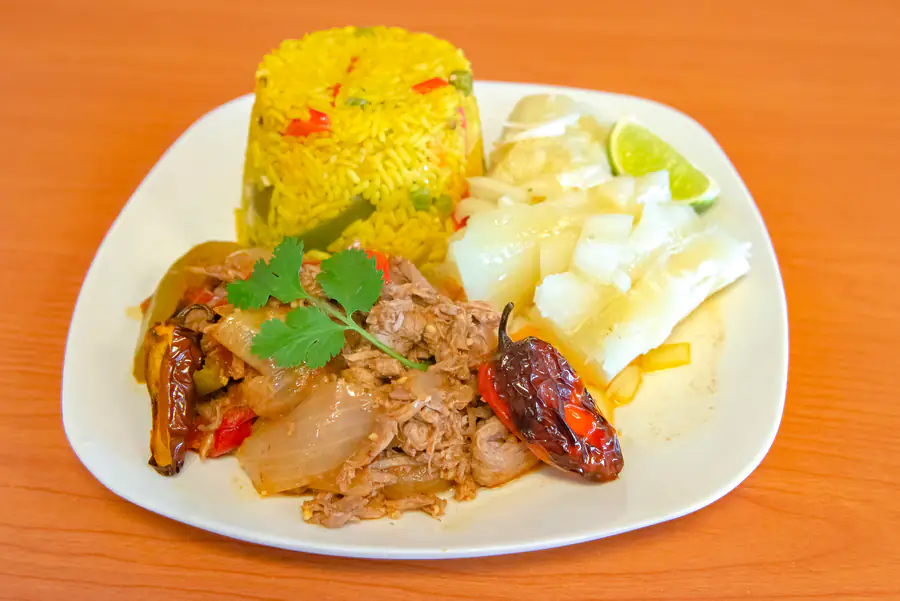
There is a particular kind of anticipation that starts the moment you step into a good bakery. It hits before the first bite. Warm yeast, toasted sugar, butter lifting off a tray, coffee cutting through the sweetness. At a strong Cuban bakery, that sensory first impression matters almost as much as the food itself, because Cuban baking is not shy. It is aromatic, textured, and full of contrast. Crisp crust meets soft crumb. Guava leans against cream cheese. Espresso arrives dark and quick, then somehow leaves room for a flaky pastry on the side.
That is why a Cuban bakery in Aurora CO feels like more than a place to pick up breakfast. It becomes part neighborhood anchor, part comfort stop, part introduction to a food tradition with real depth. Aurora has the kind of diversity that rewards curiosity, and Cuban baked goods fit naturally into that landscape. They are accessible if you have never tried them and deeply familiar if you grew up around them. Either way, the appeal is immediate.
The best versions are built on discipline. Good baking never happens by accident. A loaf with a crackling top and airy interior depends on timing, proofing, heat, and touch. A pastelito that shatters gently under your fingers needs careful lamination and restraint with the filling. Even a simple ham croquette or a pressed sandwich gains or loses everything based on details that most customers never see. That behind-the-scenes craftsmanship is what separates a bakery you remember from one you visit only once.
What makes Cuban bakery culture distinctive
Cuban bakery culture borrows from several traditions without feeling diluted by any of them. There are Spanish roots in the pastries, Caribbean brightness in the flavor combinations, and a practical, everyday sensibility in the way food is served and eaten. This is not precious food. It is made to be part of daily life. Breakfast on the way to work. A box of pastries for the office. A quick coffee and sandwich in the afternoon. Dessert after dinner that does not need ceremony.
That daily rhythm shapes the menu. Cuban bakeries tend to offer an unusual balance of sweet and savory items, often under one roof and often fresh throughout the day. You might see trays of guava pastries near rows of crusty bread, with savory stuffed rolls and croquetas only a few steps away. The point is not to choose between bakery and cafe. The point is that both belong together.
Bread sits at the center of that experience. Pan Cubano, or Cuban bread, should feel light in the hand and serious on the crust. Done well, it has a thin, crisp exterior and a soft, almost feathery interior that tears cleanly. It is excellent on its own, but it truly shines when used for sandwiches, especially when pressed. A stale loaf or dense crumb will ruin the whole idea, which is why freshness matters so much.
Then there are the pastries. Pastelitos de guayaba are often the first thing people recognize, and for good reason. Guava has a rich, floral sweetness that cuts through buttery pastry beautifully. Add cream cheese and you get a little tang, a little salt, and enough contrast to keep each bite from turning heavy. Coconut pastries, puff pastries filled with meat, and custard-based sweets often round out the case. The best bakeries know how to keep variety without letting quality slip.
Why Aurora is a strong home for this kind of bakery
Aurora rewards independent food businesses that know exactly what they are. It is a city where diners will travel for authenticity, but they also expect value and consistency. That combination is healthy for a Cuban bakery. The format works because it serves more than one need at once. A family can come in for pastries on a weekend morning. A worker can stop by for coffee and a sandwich before a shift. An office can order a few trays and feed a crowd without overcomplicating anything.
There is also something practical about Cuban bakery food that fits Colorado life. People here appreciate meals that are comforting without being overly formal. A pressed sandwich wrapped in paper, a loaf of bread still warm from the oven, a couple of pastries boxed for later, these are foods that travel well, satisfy quickly, and still feel thoughtful. In a city as spread out as Aurora, that matters. Convenience helps, but what keeps people coming back is flavor.
When people search for a Cuban bakery Aurora CO location, they are often looking for more than novelty. Sometimes they want a place that reminds them of home. Sometimes they are chasing a specific pastry they have not had in years. Sometimes they just want breakfast that tastes made by human hands instead of assembled from a freezer case. A real bakery answers all three needs.
The first thing to judge is the bread
If you want to know whether a bakery takes its work seriously, start with the bread. Not the fanciest pastry, not the most photogenic dessert, not the sandwich loaded with fillings. Bread tells the truth. It is hard to hide mistakes in fermentation, shaping, or baking when the product is so simple.
Fresh Cuban bread should feel alive when you pick it up. The crust should resist lightly, then give way. If the loaf feels tough all over or oddly heavy, something is off. A good bakery turns bread continuously enough that customers have a fair chance of getting it close to peak freshness. Timing matters because this bread is at its best relatively soon after baking. It is not meant to linger for days. That short window is part of the charm.
I have found that the smell is often the earliest clue. Truly fresh bread carries a toasted, almost nutty aroma, with just enough sweetness in the background. When that scent meets the stronger perfume of brewed Cuban coffee, the room takes on a warmth that is difficult to fake. The experience feels generous before anyone says a word.
For sandwiches, structure matters as much as softness. Cuban bread has to compress under a press without collapsing into paste. It needs enough strength to hold roast pork, ham, cheese, mustard, and pickles while still giving you that crisp edge from the griddle. If a bakery gets this right, it usually means the people behind it understand both baking and service food, which is not always the same skill set.
Pastries that balance sweetness, texture, and restraint
A bakery case can be beautiful and disappointing at the same time. Shiny glazes and sugar dusting mean little if the pastry underneath is greasy or stale. Cuban pastries are best when they show restraint. The dough should be buttery but not leaden. Fillings should taste like themselves rather than sugar with flavoring added.
Guava pastries are a useful benchmark. Guava is naturally assertive, so the baker has to know how much to use. Too little, and the pastry tastes anonymous. Too much, and it becomes sticky, overwhelming, and one-note. The best version lands in the middle. You get clear fruit flavor, a bit of perfume, and enough acidity to wake up the palate. Add cream cheese and the result becomes rounder, with a clean finish instead of cloying heaviness.
Coconut pastries can go wrong in a different way. Dry coconut filling has no mercy. It turns every bite into a chore. A careful bakery keeps it moist and tender, with enough sweetness to feel indulgent but not enough to cover poor texture. The same standard applies to custard pastries. Custard should be smooth, set, and rich, not rubbery or weeping.
One practical sign of quality is turnover. In a bakery where regulars know the case well, popular items do not sit untouched for long. That means the staff is replenishing often and baking to demand rather than relying on yesterday’s leftovers to carry the morning. You can taste that difference immediately.
Coffee is not a side note
At a Cuban bakery, coffee deserves the same attention as the pastry case. Strong coffee is part of the rhythm, part of the welcome, and often part of the memory people carry with them afterward. Cuban coffee is intense by design. It is not something to nurse for an hour. A small cup can be more satisfying than a large one when the balance is right.
The classic profile leans dark, sweet, and concentrated. Espresso should have force without tasting scorched. A cortadito should soften that intensity with milk while keeping the coffee front and center. A cafe con leche, especially in the morning with buttered toast or a pastry, can be one of the most comforting orders on the menu.
A bakery that takes coffee seriously understands pace. Service should feel brisk but not rushed. The drink should arrive hot enough to matter, and it should pair naturally with the food. That may sound basic, but many places treat coffee as a box to check. In a good Cuban bakery, it acts more like a backbone.
Savory food that earns its place
One reason Cuban bakeries build loyal followings is that they are not limited to sweets. Savory items often become the reason people visit several times a week. Croquetas, empanadas, stuffed potato balls, and pressed sandwiches offer substance without sacrificing character. They also reveal whether a bakery can handle seasoning, texture, and timing outside the pastry station.
Croquetas should have a delicate shell and a creamy center, not a thick crust wrapped around bland paste. Ham is traditional and still hard to beat when it is done correctly. The interior should taste savory and rounded, with enough salt to stay lively. If the fryer oil is old or the breading is heavy, you know it on the first bite.
Empanadas are another honest test. Dough that is too thick makes the filling feel secondary. Dough that is too thin leaks or turns fragile. The sweet spot is a wrapper with enough body to brown well and hold its shape while letting the filling lead. Beef should taste seasoned, not merely salted. Chicken should stay moist. Cheese fillings should stretch a little without becoming rubbery.
Then there is the Cuban sandwich, one of the most familiar dishes in the tradition and one of the easiest to reduce to a stereotype. A proper version relies on proportion. Roast pork should be seasoned and juicy. Ham adds salinity and structure. Swiss cheese brings mild richness. Mustard sharpens everything. Pickles add acid and snap. Pressing the sandwich should unify the ingredients, not flatten them into submission. Done well, it is one of the great lunch orders anywhere.
How freshness changes the entire experience
Freshness is not just a quality metric in a bakery, it is the product itself. Bread shifts by the hour. Pastry texture changes with room temperature. Fried items lose their edge if they sit too long. Even coffee can go from fragrant to tired faster than many operators admit. The strongest bakeries build their day around these realities rather than pretending they do not exist.
That is why timing your visit can matter. Morning is often best for bread and pastries at peak texture, while lunch can be ideal for hot savory foods and sandwiches with a little bustle around them. Some items are worth calling ahead for if you have a specific order in mind, especially around holidays or weekends when family gatherings drive demand.
There is also a practical side for customers bringing food home. Cuban bread shines the day you buy it. Pastries are usually happiest within hours, though some hold up fine until evening. Pressed sandwiches travel better than delicate fried items if the drive is long. A bakery that is transparent about what keeps well and what should be eaten immediately is usually a bakery worth trusting.
What regulars tend to notice
People who come back repeatedly start paying attention to details that first-time visitors might miss. They notice whether the bread has the same texture week after week. They notice if the guava filling tastes like real fruit or a cheaper substitute. They notice whether staff can move a morning line efficiently without making customers feel processed.
They also notice hospitality. Good bakeries often have a rhythm that feels personal even when service is fast. Someone asks if you want your coffee sweeter. Someone tells you which tray just came out. Someone mentions that a fresh batch of bread will be ready in ten minutes if you can wait. Those moments seem small, but they are often what turn a one-time stop into a routine.
If you are trying a Cuban bakery in Aurora CO for the first time, a balanced order usually tells you plenty about the place:
- A loaf of Cuban bread or buttered toast
- One guava pastry, with or without cream cheese
- One savory item such as a croqueta or empanada
- A coffee, ideally a cortadito or cafe con leche
That combination gives you bread, pastry, savory execution, and beverage quality in one visit. If all four are strong, the bakery likely has depth.
Why these places matter beyond the menu
A neighborhood bakery does more than feed people. It creates rhythm. It becomes the kind of place where names are remembered, where parents bring children for a weekend treat, where coworkers pick up a box before a meeting because they know it will disappear quickly. In communities that can feel scattered, these everyday rituals matter.
Cuban bakeries also carry cultural memory in a very direct way. Recipes survive because people keep making them for ordinary reasons, not just ceremonial ones. A guava pastry in a paper sleeve may not look historic, but it can connect generations more reliably than a museum label ever could. Food traditions stay alive when they remain useful, pleasurable, and woven into daily life.
That is one reason authenticity can be misunderstood. It is not about freezing a cuisine in time or policing every variation. It is about understanding the core of the tradition well enough that adaptations still make sense. In Aurora, where diners bring different backgrounds and expectations, a bakery may adjust certain offerings to local demand. That is normal. What matters is whether the essential character remains intact. Fresh bread, bold flavor, careful technique, and a sense of welcome should not be negotiable.
A smart way to order for a group
If you are bringing food to an office, family brunch, or casual gathering, bakery food is often a stronger choice than people realize. It scales well and avoids the monotony of standard catering. A mixed order can satisfy different appetites without feeling random.
The best approach is variety with structure. Order breads and pastries that can be shared easily, then add a smaller number of savory items for balance. Think of the spread as a conversation between sweet and salty, crisp and soft, hot and room temperature. Too many rich items can wear people out quickly. A thoughtful https://raymondzwtv404.stonefielddigest.com/posts/cuban-bakery-aurora-co-enjoy-every-bite-of-tradition mix keeps everyone interested.
For larger groups, it helps to ask what is freshest that day rather than insisting on a rigid menu. Bakeries know which trays are moving and which products are showing best. Trusting that guidance usually leads to a better result than ordering by habit alone.
The flavor memory people chase
There are foods that impress you in the moment, and there are foods that stay with you for a week because of one tiny detail. The butter note in the crust. The way guava lingers after coffee. The audible crackle from a pressed sandwich corner. Cuban bakery food is often full of those details. It does not need elaborate presentation because the pleasure lives in texture, aroma, and timing.
That is what keeps people searching for a Cuban bakery Aurora CO destination that gets the basics right. Not trends, not gimmicks, not oversized portions trying to substitute for skill. Just fresh bread with structure, pastries with personality, coffee with backbone, and savory food that tastes cooked with intention.
When a bakery nails that formula, it earns a place in the routine of the neighborhood. People stop in for one loaf and leave with pastries for later. They promise themselves they will only get coffee, then spot a tray of warm croquetas. They bring visiting relatives because some experiences are easier to explain through taste than words.
Fresh bread and bold flavor sound simple on paper. In practice, they require care, repetition, and standards that hold up on ordinary Tuesday mornings, not just busy holidays. That consistency is what turns a bakery from a nice idea into a reliable institution. And in a city like Aurora, where great food often spreads by word of mouth long before anyone writes about it, that kind of reliability counts for a lot.
Cuba Bakery & Café
15028 E Mississippi Ave, Aurora, CO 80012
+1 303-752-2822
FAQ About Cuban bakery Aurora CO
What are Cuban pastries called?
Many small Cuban pastries are called pastelitos. They can have sweet or savory fillings, such as guava, cheese, guava and cheese, or seasoned meat. Cuba Bakery & Café lists guava, cheese, guava-and-cheese and beef pastries on its menu. Ask the bakery about current availability and ingredients when ordering.
What are traditional Cuban pastries?
Common Cuban bakery choices include flaky pastelitos filled with guava, cheese or meat. Cuban bakeries may also offer empanadas, breads and desserts alongside coffee. Cuba Bakery & Café lists pastelitos, several empanada fillings, pan Cubano and desserts such as tres leches and bread pudding. Selection can vary, so confirm the day's choices with the bakery.
What makes Cuban bread different?
Cuban bread is known for its light interior and a thin crust that becomes crisp when toasted or pressed. Traditional recipes often use lard, although ingredients vary by baker. It is commonly served as buttered toast or used for Cuban sandwiches. Cuba Bakery & Café lists pan Cubano and tostada on its menu; ask staff about the ingredients in their bread if you have dietary restrictions.