How to Cook Authentic Jamaican Food in Your Own Kitchen
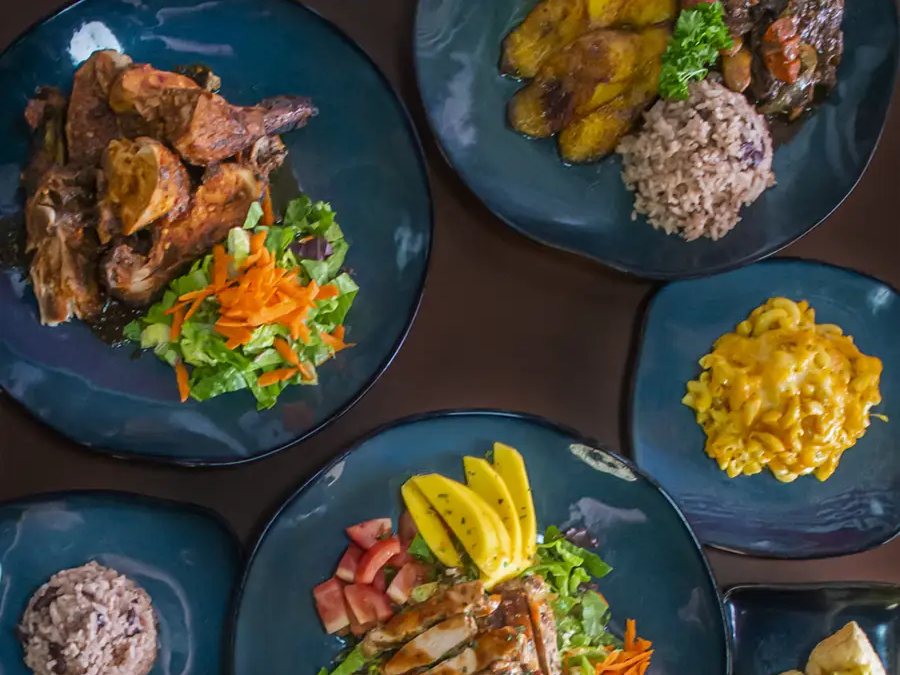
Jamaican food has a way of announcing itself before it reaches the table. You smell scallion and thyme in hot oil, pimento rising from the pot, Scotch bonnet carrying its sharp, fruity heat through the kitchen. The flavors are bold, but the cooking is rarely fussy. At its heart, this is food built on seasoning, patience, and a strong understanding of how a few ingredients can carry a dish.
Cooking authentic Jamaican food at home is not about chasing restaurant theatrics or trying to reproduce a vacation memory with shortcuts and bottled sauces. It is about learning the grammar of the cuisine. Once you understand what Jamaican cooks mean by “seasoning up” meat, why pimento matters so much, and how a pot should smell when the base is right, you can make food that tastes grounded and true, even if you are cooking in a small apartment kitchen far from Kingston, Montego Bay, or St. Elizabeth.
The good news is that most classic Jamaican dishes are well suited to home cooking. They ask for attention more than technical complexity. A pot of rice and peas, a tray of jerk chicken, braised oxtail, curried goat, escovitch fish, callaloo, fried plantain, all rely on clear, sturdy methods. If you can season properly, brown deeply, simmer steadily, and trust your palate, you are already most of the way there.
What makes Jamaican food taste like Jamaican food
The first thing many people notice is heat, but spice alone does not define Jamaican food. The deeper character comes from layering. Fresh herbs, allspice, onion, garlic, ginger, browning, coconut milk, pepper, and citrus each play a role. What matters is balance. A dish can be fiery, but it should also taste earthy, savory, bright, and slightly sweet where appropriate.
Allspice, often called pimento in Jamaica, is one of the signature flavors. It shows up in jerk, stews, soups, and pickling liquids. It gives a warm note that sits somewhere between clove, cinnamon, pepper, and nutmeg, but it is not as heavy as any one of those on its own. Fresh thyme and scallion are just as important. Scotch bonnet peppers bring heat, but also a distinct fruitiness that habaneros can approximate if needed. Browning, a dark caramelized sauce used in many home kitchens, adds color and a slight bittersweet depth to brown stew dishes.
Another defining habit is seasoning meat in advance. This is not a quick sprinkle of salt before cooking. Jamaican cooks often rub meat with green seasoning, spices, aromatics, and salt, then leave it to rest for hours or overnight. That rest changes the final dish. The seasoning penetrates, the surface dries slightly, and the flavors knit together. If you skip that step, your food can still be good, but it will rarely taste fully Jamaican.
Build a pantry that gives you options
You do not need a specialty store for every meal, but a few key ingredients make a real difference. Once they are in your kitchen, you can cook a broad range of Jamaican food without improvising yourself into another cuisine.
- Scotch bonnet peppers
- Fresh thyme and scallions
- Ground and whole allspice
- Coconut milk
- Browning sauce
If you can also keep ginger, garlic, onions, curry powder, dried red beans or canned kidney beans, rice, plantains, and a bottle of white vinegar on hand, you will be in good shape. Jamaican curry powder is worth seeking out because it often has a slightly different balance than standard supermarket curry blends, with turmeric, coriander, fenugreek, and allspice working together in a particular way. That said, if the choice is between using a decent curry powder and cooking nothing at all, use what you have and adjust with a little extra allspice, garlic, and thyme.
Freshness matters. Dried thyme has its uses, but fresh thyme gives a cleaner, greener note. Pre-ground allspice fades over time, so replace it regularly. Coconut milk should taste rich rather than tinny. And if your Scotch bonnet peppers are old and wrinkled, they may still be hot, but they will not taste as vivid.
The seasoning step is where most home cooks either win or lose
A lot of people focus on the final sauce or glaze, but the real character is established long before the pan heats. In Jamaican cooking, seasoning is not decorative. It is structural.
For chicken, goat, oxtail, pork, or fish, start with proper cleaning and drying. Many Jamaican cooks wash meat or fish with lime or vinegar and water. Food safety conversations around this vary by region and training, but the practical purpose in many kitchens is not just cleaning, it is also freshening the surface and reducing strong odors. If you do this, handle the process carefully and sanitize your sink and work area afterward. Then pat everything dry thoroughly. Wet surfaces steam instead of brown.
From there, add your seasonings with intent. Onion, scallion, thyme, garlic, ginger, black pepper, salt, pimento, and Scotch bonnet form a classic base. Depending on the dish, you may add curry powder, soy sauce, browning, or a little vinegar. Rub it in. Let the meat sit. Four hours is useful. Overnight is better for many preparations. Fish needs less time, especially delicate fillets. Goat and oxtail benefit from more.
One mistake I see often is under-salting during the marinade, then trying to fix flavor at the end. Jamaican food is rarely timid. If your braise tastes flat after two hours, it usually means the seasoning never reached deep enough into the meat. Another common error is overwhelming everything with dried spices while neglecting fresh aromatics. You want the food to taste alive, not dusty.
Jerk is technique as much as seasoning
Outside Jamaica, jerk often gets reduced to a bottled sauce. That misses the point. Authentic jerk is a method of seasoning and cooking, traditionally over pimento wood, where smoke, spice, heat, sweetness, and char work together. The flavor should be assertive, but it should not be one-dimensional.
A proper jerk marinade usually includes Scotch bonnet, scallion, thyme, allspice, garlic, ginger, onion, salt, black pepper, and some combination of soy sauce, vinegar, brown sugar, cinnamon, or nutmeg depending on the cook. The mixture is blended or pounded into a wet paste and rubbed deeply into the meat. Chicken and pork are the usual choices at home, since they are accessible and respond well to this treatment.
If you do not have a grill, you can still get very respectable results in the oven. Roast the meat on a rack at fairly high heat so the surface dries and darkens. Finish under the broiler if needed for a little char. A grill is better because it adds smoke and variation, but the bigger issue is restraint. Too much sugar in the marinade burns before the meat cooks through. Too much liquid leaves the skin soft. Too little salt and the spices taste muddled.
If you are using boneless chicken breasts because that is what you have, lower your expectations a little and watch the timing carefully. Thighs, drumsticks, leg quarters, or bone-in pork shoulder are more forgiving and more traditional in feel. Real jerk should taste seasoned all the way through, not just coated on the outside.
Rice and peas deserves just as much care as the main dish
A plate of Jamaican food often stands or falls on the rice and peas. Done well, it is fragrant, distinct, and rich without being greasy. Done poorly, it turns gummy or bland and drags the entire meal down.
In Jamaica, “peas” often means beans, especially red kidney beans or gungo peas. The rice cooks with the bean liquid, coconut milk, thyme, scallion, garlic, onion, Scotch bonnet, and salt. Some cooks add pimento berries. The result should be aromatic enough that you recognize the dish before the lid comes off.
The ratio of liquid matters, but bean texture matters too. If you cook dried beans from scratch, save their cooking liquid and use it as part of the base. That liquid carries flavor and color. Canned beans are convenient, but they rarely match the depth of beans cooked from dry. You can improve them by simmering them briefly with thyme, garlic, and scallion before adding the rice.
Do not stir rice and peas too much once the rice goes in. Let it steam. If you keep opening the lid and scraping the pot, you release steam and break the grains. A Scotch bonnet can be cooked whole in the pot to perfume the rice without making it aggressively hot. Pierce it and the heat changes dramatically, so decide on that early.
Brown stew, curry, and braise, three paths to depth
Many classic Jamaican dishes share a family resemblance, but their personalities are different. Brown stew chicken leans on browning, aromatics, and a rich gravy. Curry goat is warmer and more earthy, with curry powder toasted into the fat. Oxtail depends on gelatin, time, and a slow collapse into tenderness.
What links them is the habit of building flavor in stages. First the meat is seasoned. Then it is browned, either in batches or with patience in a broad pan. Then the pot gets layered with onion, garlic, thyme, and peppers. Liquid goes in carefully, just enough to braise rather than boil. The dish simmers until the sauce tastes like the meat and the meat tastes like the sauce.
Home cooks often rush the browning step because they are eager to get to the braise. That is a mistake. If the surface of the meat never develops color, the gravy will always taste thinner than it should. On the other hand, if you brown in a crowded pot, the meat releases water and steams. Better to cook in smaller batches and take the extra fifteen minutes.
Curry goat in particular rewards patience. Goat can be firm and muscular, and if you stop at ninety minutes because the meat is technically cooked, it may still feel tight and disappointing. Give it the time to relax. Somewhere between one and a half hours and three hours, depending on the cut and age of the animal, the texture changes from chewy to yielding. That is the point to aim for.
Oxtail is more expensive now than it once was, which has changed how many people cook it. It still makes a glorious dish, but it is less of an everyday option. If you do make it, skim excess fat thoughtfully rather than aggressively stripping all richness. You want the sauce silky, not oily.
Fish, escovitch, and the importance of acid
Jamaica’s cooking is not only about heavy braises and grilled meats. Fish plays a central role, especially in coastal cooking, and some of the most vivid dishes rely on sharp contrast rather than long cooking. Escovitch fish is a perfect example. The fish is seasoned and fried until crisp, then dressed with a hot pickled mixture of carrots, onion, Scotch bonnet, and vinegar. The point is contrast, hot and cool, crisp and tender, rich and acidic.
This is one place where ingredient handling matters more than elaborate technique. The fish should be fresh, scaled properly, and dried before seasoning. If it goes into the pan damp, the crust suffers. The oil needs to be hot enough to crisp the exterior before the fish overcooks. The pickled vegetables should retain a little bite. If they collapse completely, the whole dish loses tension.
At home, red snapper is ideal when available, but other firm white fish can work. Whole fish gives the most authentic result because the bones protect the flesh and contribute flavor, but fillets are practical and still delicious. Just reduce the frying time and be gentler when turning.
A similar principle applies to rundown, where fish or seafood simmers in a reduced coconut sauce with herbs and spices. The coconut milk should cook down enough to concentrate, but not split into greasy separation. That line is easier to manage on moderate heat than on a furious boil.
Side dishes are not an afterthought
The supporting dishes in Jamaican food do real work. Fried plantain brings sweetness and soft texture. Steamed cabbage adds freshness and restraint. Callaloo contributes mineral depth and a silky quality when cooked well. Festival, a slightly sweet fried dough, offers contrast beside spicy fish or jerk.
Plantain is a good example of how small choices affect authenticity. Very ripe plantains, almost black-skinned, produce deep sweetness and caramelized edges. Yellow plantains with some green left hold their shape better and taste less sugary. Neither is wrong, but they serve different meals. If you are pairing with highly spiced jerk chicken, the sweetness of a ripe plantain can be exactly right. Beside a rich brown stew, a firmer fry may be more balanced.
Callaloo deserves better than the mushy treatment it sometimes gets outside the Caribbean. It should be tender, but still taste green and fresh. Onion, tomato, thyme, garlic, and a little Scotch bonnet are usually enough. Overcooking robs it of character.
Even a simple cabbage side benefits from proper handling. Thin slicing helps it cook quickly while keeping some texture. A quick sauté with carrots, onion, black pepper, and thyme gives you a side that brightens a heavy plate without feeling austere.
The equipment is ordinary, the judgment is not
You do not need specialty gear to cook Jamaican food well. A heavy pot, a sheet pan, a sharp knife, a blender or food processor for marinades, and a decent skillet will cover most needs. What matters more is how you use heat.
Many dishes benefit from moderate heat rather than extremes. Coconut milk can scorch. Sugar in jerk marinades can burn. Beans can burst if boiled too hard. Fish can stick if moved before the crust sets. These are not dramatic failures, but they are the kinds of details that separate food that tastes homemade in the best sense from food that tastes merely assembled.
There is also judgment involved in knowing when to substitute and when to wait. If you cannot find Scotch bonnet, habanero is a reasonable stand-in. If fresh thyme is unavailable, dried thyme is acceptable in a long braise. But allspice is so central to Jamaican flavor that leaving it out entirely changes the character of the dish. The same is true of coconut milk in rice and peas. A plain pot of beans and rice may be good, but it is not the same dish.
A practical path for your first full Jamaican meal
If you are new to cooking Jamaican food, do not begin with six unfamiliar recipes in one afternoon. Start with a meal that teaches the core habits without overwhelming you. Jerk chicken, rice and peas, fried plantain, and a quick cabbage side is a strong first menu. It gives you a marinade, a rice pot, one frying task, and one fast vegetable.
- Season the chicken several hours ahead with scallion, thyme, allspice, garlic, ginger, Scotch bonnet, salt, and a little soy sauce.
- Start the rice and peas first so it can steam quietly while you handle the rest.
- Fry the plantain near the end, when the oil is clean and your attention is freer.
- Cook the cabbage last because it takes only a few minutes and is best when still bright.
That sequence keeps the stove manageable and helps each item land in good condition. It also teaches one of the most useful lessons in Jamaican home cooking, which is that timing matters as much as seasoning. A perfect jerk marinade does not help much if the rice has gone cold and gluey.
Common mistakes that flatten the flavor
A few patterns come up again and again when people try to make Jamaican food at home. The first is fear of seasoning. Not recklessness, not excessive heat, just fear. The food should taste of herbs, spice, and salt with confidence. If you under-season early, the dish usually stays timid.
The second is using the wrong kind https://marcohhkb123.alderbrief.com/posts/a-taste-of-the-caribbean-celebrating-jamaican-food-2 of heat. A screaming pan for delicate fish or a lazy simmer for meat that needs browning both create problems. Match the method to the ingredient. Fry fish with conviction. Braise goat steadily. Roast jerk hot enough to color.
The third is trusting packaged sauces too much. Some are useful in moderation, especially browning or certain curry powders, but a bottled jerk sauce rarely replaces fresh scallion, thyme, garlic, ginger, and pepper. Think of packaged items as support, not foundation.
The fourth is neglecting acidity. Vinegar, lime, or a sharp pickled garnish often keeps rich dishes from becoming heavy. This is one reason escovitch feels so lively, and why a little citrus can wake up grilled meats beautifully.
Finally, many cooks stop tasting because they assume the recipe knows better than the pot. Jamaican food rewards cooks who taste repeatedly. Beans may need more salt than expected. One Scotch bonnet may be hotter than the last three combined. A curry may need ten more minutes for the raw spice note to cook out. Your senses matter more than strict timing.
Cooking with authenticity, not performance
Authenticity can become a loaded word in food, often used to police or intimidate. In practice, it is simpler than that. Authentic Jamaican food tastes like it understands its own roots. It respects the classic combinations, the seasoning logic, and the cooking methods that give the cuisine its shape.
That does not mean every cook makes every dish the same way. One household leans sweeter in its jerk marinade, another heavier on thyme. Some rice and peas pots include more coconut milk, some less. Brown stew can be darker or lighter. These differences are part of the cuisine, not a contradiction of it.
If you are cooking in your own kitchen, far from the island, authenticity comes from your choices. Use the right core ingredients whenever you can. Season generously and ahead of time. Brown with patience. Let sauces reduce until they taste complete. Respect the role of pepper, but do not confuse heat with depth. Learn what pimento does. Learn how thyme changes from sharp and grassy to rounded and savory as it cooks. Pay attention to the smell of the pot. That is where a lot of Jamaican cooking lives, in the senses more than in exact measurements.
Once you cook a few dishes this way, you start to feel the internal logic of Jamaican food. The recipes stop seeming exotic and begin to feel practical, even intuitive. A tray of jerk chicken becomes weeknight cooking with better flavor. Rice and peas becomes a dependable side with character. A slow pot of curry goat becomes a weekend project worth inviting people over for.
That is the real pleasure of bringing authentic Jamaican food into your own kitchen. You are not just reproducing a dish. You are learning a style of cooking that is generous, expressive, and deeply rooted in memory, resourcefulness, and flavor. And once it gets into your hands, it tends to stay there.
Reggae Pot Jamaican Grill
2243 S Monaco St Pkwy #104
Denver, CO 80222
+1 720-410-2956
FAQ About jamaican food
What is the best Jamaican food to try in Denver?
The best choice depends on your tastes. Popular options include jerk chicken, curry goat, slow-cooked oxtail, and savory patties. Reggae Pot lists these dishes on its menu, with sides such as rice and peas and plantains. Ask the Denver team about current availability and spice levels.
Is Jamaican food very spicy in Denver?
Heat varies by dish and preparation. Jerk seasoning often includes scotch bonnet peppers alongside herbs and allspice, while other dishes may have gentler seasoning. Ask about the heat of the specific dish and any sauce before ordering.
What are some popular Jamaican snacks?
Jamaican patties are a popular snack made with flaky pastry and savory meat or vegetable fillings. Other options include fried dumplings and festival, a sweet fried dough often served with savory dishes. Availability varies, so check the current menu when ordering.