Pie Cafe Colorado Springs: Warm Hospitality and Wonderful Pies
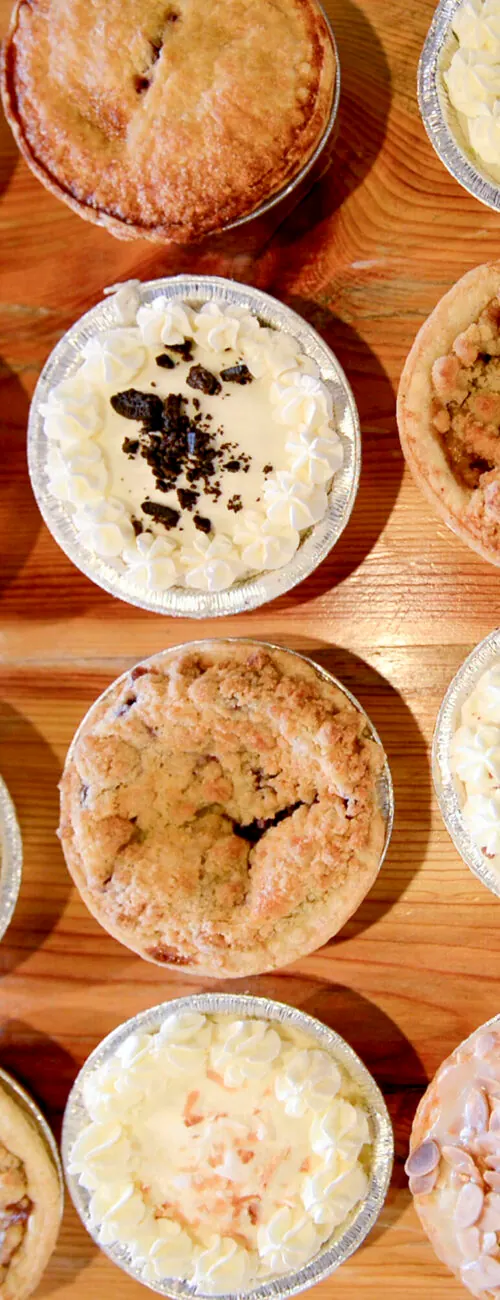


There are restaurants you remember for a single dish, and there are places you remember for how they made you feel while you ate it. A good pie cafe belongs in the second category. It is never only about the crust, or the filling, or the coffee poured into a sturdy mug. Those things matter, of course. They matter a great deal. But the reason people return to a pie-focused cafe, especially in a city like Colorado Springs, is the blend of comfort and care that turns a simple meal into a ritual.
When people search for pie cafe colorado springs, they are usually hoping to find more than dessert. They want a place with warmth, character, and enough confidence to let pie take center stage without making the whole experience feel precious. That is a harder balance than it sounds. Pie can tilt twee very quickly if the room feels staged, and it can feel forgettable if the kitchen treats it as an afterthought. The best pie cafes avoid both traps. They feel lived in. They smell like butter, coffee, fruit, and toasted pastry. They make you want to stay for one more cup.
Colorado Springs is a city where that kind of place makes sense. It has a mix of longtime locals, military families, tourists, remote workers, and weekend hikers, all moving through the same neighborhoods with different expectations. Some want a quiet breakfast before a day in the mountains. Some want a reliable lunch that does not feel corporate. Some want a slice of something sweet after a difficult week. A pie cafe can serve all of them if it understands hospitality at a practical level, not just as a marketing phrase.
Why pie still matters
Pie has a different emotional register than cake or pastry. Cake is often ceremonial. Pastry can feel delicate, even formal. Pie is generous. It is built to be cut, shared, boxed up, reheated, eaten cold from the fridge, and argued over. Even a beautiful pie carries an everyday quality that makes people relax around it. That matters in a cafe setting, where the meal is often competing with errands, schedules, and screens.
A strong pie program also says something about the kitchen. Anyone can buy a dessert and plate it. Pie asks for planning. Dough needs rest. Fruit needs judgment, because every batch behaves a little differently. Cream fillings demand precision. Savory pies have to hold structure without becoming heavy. If a cafe does pie well, there is a fair chance it takes the rest of its menu seriously too.
In my experience, guests notice this even if they do not talk about technique. They may not mention lamination, hydration, thickening agents, or blind baking, but they respond to the result immediately. They know when the bottom crust is soggy. They know when the filling tastes canned. They know when a slice has been sitting too long in a case. And they definitely know when a pie arrives warm, fragrant, and balanced enough that the last bite tastes as good as the first.
The atmosphere people are really paying for
Hospitality is often described in broad, polished terms, but in a pie cafe it is usually visible in small details. The greeting is unhurried. The menu is clear. Someone behind the counter can explain the difference between two fruit pies without sounding rehearsed. Water appears without fuss. If the place is busy, the staff acknowledges the wait instead of pretending it is not happening.
That sort of competence reads as kindness, and customers are remarkably loyal to it.
A pie cafe in Colorado Springs has another challenge as well. The city draws people in every mood and every dress code. On one table you may have a family coming from church. On another, a couple still wearing hiking layers. Near the window, a solo diner with a laptop and a second coffee. The room has to welcome all of them. The best cafes manage that by avoiding extremes. They are comfortable but not sloppy, polished but not stiff.
Sound matters more than many owners realize. If the room is all clatter and no softness, guests leave sooner and order less. If it is too quiet, people feel watched. Good pie cafes tend to get this right intuitively. Wood, tile, mugs, and pastry cases create enough energy, while conversation and kitchen noise keep things human. You do not need luxury for a room to feel good. You need proportion, rhythm, and a sense that regulars are not performing their loyalty.
What separates a memorable pie from a merely decent one
Most people can identify a bad pie immediately. The more interesting question is what makes a good pie truly stand out.
Crust is the first test. It should have flavor of its own, not just function as a container. Too many cafes produce a crust that flakes prettily but tastes flat. Butter helps, but technique matters just as much. A memorable crust has tenderness and structure together. It breaks cleanly with a fork, yet it does not collapse into greasy crumbs. On a savory pie, it should support the filling all the way to the edge. On a fruit pie, it should carry some toast and salt so the sweetness does not take over.
Then there is the filling. Fruit pies need restraint. The best slices taste of the fruit first, sugar second, spice third. Apple pie should still taste like apples. Cherry should keep a bit of tartness. Peach should feel fragrant rather than syrupy. Cream pies have their own discipline. Banana cream, coconut cream, chocolate silk, or lemon meringue all depend on texture as much as flavor. The filling has to be smooth, stable, and rich without turning heavy.
Savory pies are often the clearest sign of a serious kitchen. They require a cook to think like a diner. People want comfort, but they do not want mush. A chicken pot pie, for example, needs real distinction between sauce, vegetables, and meat. If everything dissolves into one beige note, the dish fails no matter how attractive the crust may be. On the other hand, if the filling is overbuilt with too many ingredients, the pie loses its identity. Good savory pie is edited food.
That editorial restraint is one of the hardest things for cafes to maintain, especially once a menu grows popular. Success tempts places to add more, top more, sweeten more, and portion more. Sometimes the better move is the opposite. Keep the slice clean. Let the crust do part of the talking. Trust the customer to appreciate balance.
Sweet pie, savory pie, and the rhythm of the day
One reason a pie cafe works so well in a city like Colorado Springs is that it can fit multiple dayparts without straining. In the morning, pie may share the stage with coffee, quiche, breakfast plates, or a light pastry offering. By midday, savory pies, soups, and salads make the room feel more like a lunch spot than a bakery. Later in the day, slices of fruit pie and cream pie become the draw, especially for people who want dessert without the fuss of a full dinner service.
That range gives a pie cafe unusual flexibility. It can be a destination or a fallback, a planned outing or a spontaneous stop. That matters commercially, but it matters just as much for community. Places that survive become woven into daily life. Someone stops in after a parent-teacher conference. Someone else picks up a whole pie for a birthday because it feels less generic than cake. A retired couple comes every Thursday afternoon and splits a slice. These habits are what make neighborhood restaurants durable.
The strongest cafes know how to support those habits without losing standards. A busy lunch rush can wreck pie quality if slices are cut carelessly or held too long. A slow midafternoon can flatten service if the staff disengages. It https://www.google.com/search?sca_esv=5402a0a9251cbe8a&sxsrf=APpeQnsJJ4efk-p-clqfV2nHIiO7MTsevA:1788975159355&kgmid=/g/11cln7c20s&q=3.14+Pi+Bar&shem=dlvs1,epsd1,ltae,rimspwouoe&shndl=30&source=sh/x/loc/uni/m1/1&kgs=ccdbe3ba6ef96b9a&utm_source=dlvs1,epsd1,ltae,rimspwouoe,sh/x/loc/uni/m1/1 takes management attention to keep the room steady at both peaks and valleys. Guests may never see that labor directly, but they feel it. Consistency is not glamorous, yet it is one of the deepest forms of hospitality.
The Colorado Springs factor
Colorado Springs has its own dining personality. It is not as hurried as Denver, and it does not always reward trend-chasing. People tend to appreciate places that are sincere, approachable, and reliable. Flash can attract attention, but comfort earns repeat visits. A pie cafe fits that local instinct well.
The climate also shapes the experience more than owners sometimes admit. Cool mornings, sudden weather shifts, and long shoulder seasons all make warm food especially appealing. There is a reason a pot pie and a hot drink can feel almost medicinal on a windy day. Even fruit pie lands differently when the air outside has a bite to it. A room with ovens going and coffee brewing has built-in appeal in this part of the country.
Tourism adds another layer. Visitors often want something local-feeling without spending half the day researching. A pie cafe can satisfy that desire because it feels rooted. Pie is not a gimmick. It signals craft, comfort, and a certain independence from chain dining. If the cafe handles its service well, tourists leave with the sense that they found something genuine rather than merely convenient.
For locals, though, convenience still matters. Parking, wait times, takeout packaging, and whether a whole pie can be picked up without confusion all influence whether a place becomes part of regular life. This is where many otherwise charming businesses stumble. They focus on the romance of the product and neglect the practical side of service. The cafes that last tend to treat operations as part of hospitality, not separate from it.
What to notice on your first visit
If you are trying to judge whether a pie cafe deserves a second visit, there are a few signals worth paying attention to. Not because dining needs to become a scoring exercise, but because quality reveals itself quickly when a concept is this focused.
- Look at the crust edge before you take a bite. If it looks pale, greasy, or shrunken, the kitchen may be cutting corners.
- Notice whether the staff can describe what is fresh, what is most popular, and what they personally like without fumbling.
- Pay attention to the coffee. Cafes that care about pie usually understand that coffee is part of the same comfort equation.
- Watch how busy tables are cleared and reset. Clean, quick, unobtrusive service is a strong sign of competent management.
- If you order a savory pie, see whether the filling keeps its shape while still feeling moist. That balance is harder than it appears.
None of these details alone proves excellence, but together they form a reliable impression. Good operators know that guests are always reading the room, even casually.
Pie is emotional food, and that is not a small thing
There is a tendency in food writing to treat comfort as a lesser category, as though technical ambition matters more than emotional resonance. I have never found that convincing. The emotional side of food is not separate from quality. It is one of the reasons quality matters.
Pie often arrives tied to memory. A grandmother’s apple pie. A diner slice after a road trip. A chocolate cream pie brought to a holiday table. Those memories set a high bar and a tricky one. A cafe does not need to recreate anyone’s childhood exactly, and trying to do so can become forced. What it can do is provide the same sense of care that those memories hold. Warmth, generosity, steadiness, and enough skill that nostalgia does not have to carry the whole meal.
That is where hospitality becomes the true product. Not in a sentimental, overworked sense, but in the practical rhythm of being taken care of. A server who notices you are sharing and brings an extra fork. A counter person who warns you that the berry pie is especially juicy and best eaten seated rather than in the car. A kitchen that boxes a slice neatly instead of turning takeout into an afterthought. These things are not flashy. They are memorable because they spare the guest friction.
In a place centered on pie, that friction matters. People usually come in hoping for comfort. If the ordering process is confusing, the slice is rushed, or the room feels indifferent, the whole concept falls apart. Comfort cannot be faked by decor alone.
The case for staying simple
One of the smartest choices a pie cafe can make is knowing what not to do. Not every pie needs a drizzle, a crumble, a branded theme, or a seasonal twist. Not every wall needs a slogan. Not every menu description needs to sound clever. Simplicity, when backed by skill, reads as confidence.
That does not mean a cafe should become austere. It means it should be selective. A seasonal fruit pie can feel exciting because it is fleeting, not because it is overloaded. A cream pie can feel luxurious because the texture is perfect, not because it towers absurdly high. Savory pies can earn loyalty by being dependable rather than novel for novelty’s sake.
This approach also respects the customer’s intelligence. Diners know when a place is padding the experience. They know when nostalgia is being sold too aggressively. The best pie cafes let the food and the room make their case with minimal interference.
For locals, visitors, and anyone who needs a reset
There is something quietly useful about a pie cafe in the middle of an ordinary week. Not every meal needs to impress. Some meals need to settle you. A cafe that serves pie well can do that with surprising force. It gives shape to an afternoon. It creates a reason to pause. It offers the kind of predictability that feels generous rather than dull.
That is why the phrase pie cafe colorado springs resonates with people looking for more than a search result. It suggests a place where food is comforting without being careless, where service is warm without becoming performative, and where a slice of pie still feels like enough reason to go out.
If a cafe can deliver on those simple promises, it earns a place in the life of the city. Not because it is trendy or loud or endlessly optimized, but because it does something harder. It makes people feel welcome, feeds them well, and sends them back into the day a little better than they arrived. For a room built around pie, that is not a small achievement. It is the whole point.
3.14 Pi Bar
5152 Centennial Blvd
Colorado Springs, CO 80919
(719) 314-6172
FAQ About pie cafe colorado springs
Does 3.14 Pi Bar serve sweet and savory pies?
Yes. The café serves savory pot pies and seasonal sweet pies made from scratch. Flavors can vary.
Can I order a whole pie to take home?
Yes. The café sells whole sweet pies to take home. Check the current menu for flavors and ordering options.
Does 3.14 Pi Bar offer take-and-bake pies?
Yes. The café offers prepared pies that you can bake at home. Check the current menu for available varieties.